
Covers and blankets
Keep the heat you already paid for.
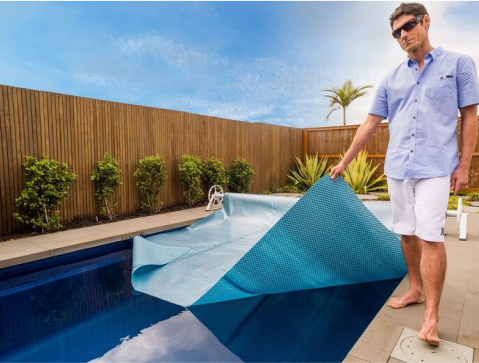
A good fit when
- You are adding a heater and want it to work less
- Your pool loses temperature overnight or on windy days
- You want less evaporation, top-up water and debris
- You already have solar heating and want more from it
Worth thinking about
- Solar bubble covers let some sunlight through; thermal blankets insulate better at night
- Rollers and storage space matter, because an awkward cover is a cover that stays off
- Pool shape and steps affect cut, fit and price
- Automatic covers are convenient but need a design conversation
How it works
Getting a cover right
- 01
Measure
Length, width and shape, including steps and features.
- 02
Choose type
Bubble, thermal or automatic, based on how you swim.
- 03
Pick a roller
Make it easy enough that it actually gets used.
- 04
Use it
Cover whenever the pool is not in use, especially overnight.
Brands we sell
Covers from Daisy and Elite Pool Covers
Belinda matches the model to your pool. Stock, pricing, freight and warranty are confirmed in your written quote.


Questions
The ones people ask Belinda most.

Keep reading
Related advice
What does it cost to heat a pool?
Why a single number is never right, and what actually moves the cost.
How long does it take to warm a pool?
Warm-up is a volume problem first and a heater problem second.
Do pool covers really reduce running costs?
Short answer: usually yes. Long answer: it depends how many hours it stays on.
Work out what your pool needs.
Pool size, location and swim months in. Heater output, warm-up time and running cost out, with every assumption shown.